How to stop switching between apps for notes, tasks, and quick ideas
Filed under Productivity Systems
By Gerald · 23 July 2026

The typical personal productivity setup in 2026 looks like this: a quick capture tool or inbox for thoughts that arrive faster than you can file them, a task manager for the things that need to happen, and a note app for the writing and reference material that does not fit neatly into tasks.
Each tool is good at its job. Together they create a small but constant tax. You capture an idea in the inbox app, then open the task app to turn it into a task, then open the note app to add context or research. Later you open the task and have to remember or search for the note that explained why it mattered. The switching is rarely dramatic. It is just enough friction, repeated often enough, to make the whole system feel slightly more complicated than it needs to be.
The hidden cost of fragmentation
The obvious cost is time. Every context switch costs a few seconds of reorientation. Over a year those seconds add up.
The less obvious cost is lost context. When the note and the task live in different places, the connection between them is something you have to maintain by hand (a link, a comment, a copied excerpt). Those manual connections decay. A task that was created from a note three months ago often ends up as a bare title with no trace of the reasoning that justified it.
The third cost is decision overhead. Every time a thought arrives, you have to decide not only what it is, but which of your three (or five) tools it belongs in. That micro-decision is small. It is also repeated dozens of times a day, and it is one of the things that makes people quietly stop using the system on the days when their capacity for decisions is already low.
The practical alternatives
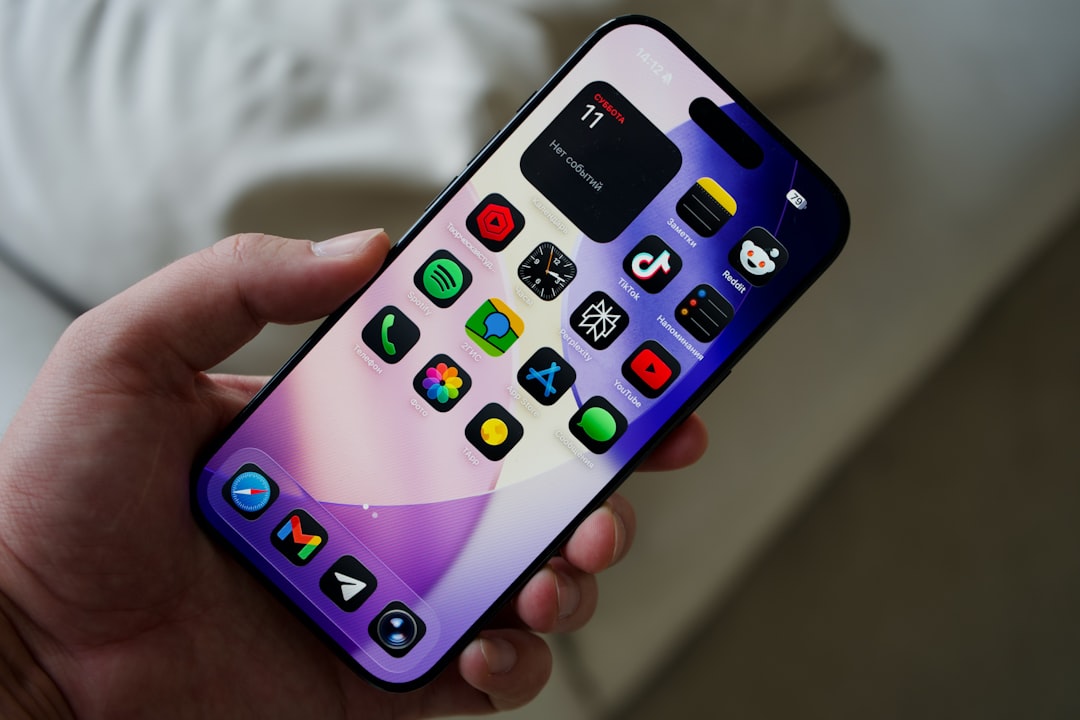
One surface for capture, notes, and tasks. A combined tool that lets you drop a thought into a single inbox, turn part of a note into a task with a direct link back, and review both notes and tasks without leaving the same app. The integration is native rather than something you wire together with URLs and discipline.
One surface for notes and a deliberately minimal task list. Some people do not need a full kanban or project system. They need a reliable place to write and a short list of what they have committed to. A simple note app with a task feature or a lightweight task list that lives inside the notes can be enough.
Multiple surfaces that are deliberately limited in scope. A fast capture inbox that feeds both notes and tasks. A note app that is only for reference and writing. A task app that is only for the active, committed work. The key is that the capture surface is fast and that the active task list is short enough to be glanceable. The connections between notes and tasks are still manual, but the volume of manual linking is lower because most of the daily flow happens inside the capture and the short list.
The first option (combined notes and tasks) removes the most friction. The second and third options reduce the number of decisions while accepting that some context will still have to be maintained by hand.
What actually changes when you reduce the number of surfaces
Capture becomes cheaper because you are not choosing which app to open. You open the one place that accepts anything.
Review becomes cheaper because you are not switching between an inbox, a task list, and a note library to understand what is going on. The connections are either native or few enough that you can maintain them.
The system becomes more likely to survive a bad week. A three-app system with manual links requires you to have enough executive function to remember the rituals. A single combined surface or a capture-plus-short-list setup can still be used when you are tired, because the number of decisions and the number of places to look have both been reduced.
The common objections
"I need the best tool for each job." You do, until the cost of stitching the best tools together exceeds the benefit of using the best tool for each narrow job. For many people the stitching cost is higher than they admit.
"I will lose features." You will. A combined tool will almost always be less deep in any single dimension than a specialist tool. The question is whether the depth you lose was actually paying for itself in better outcomes, or whether it was mostly available and therefore used.
"I already have everything set up." The switching tax is paid in small increments. It is easy to stop noticing it. The only way to measure it is to try a more integrated setup for a few weeks and notice whether the number of times you open a second app to chase context goes down.
Frequently asked questions
Do I have to use one app for everything?
No. The goal is to reduce the number of surfaces you touch in the normal flow of capture, daily work, and review. Some people keep a separate long-term archive or a team wiki while moving their personal notes, tasks, and capture into a single owned surface. The split is only a problem when the personal daily work is spread across three or more personal tools.
What about the tools I already pay for?
Most people who are considering a reduction are already paying for multiple tools, or are close to the point where one of the subscriptions will need to be upgraded. The financial case is often "I can stop paying for two tools and pay once for a combined one" rather than "I will add another subscription."
Will a combined tool be as good at notes as my current note app?
Usually not at the edges. It will be good enough for the writing and retrieval that most people actually do, and it will be noticeably better at keeping that writing connected to the tasks that come out of it. The people who need very specific writing or publishing features may still keep a specialist note app for those edges and accept the context tax on the rest.
How do I choose which things to combine and which to leave separate?
Start with the daily loop: capture, active work, and the notes you actually consult while doing the work. Combine those. Leave the long-term archive, the team collaboration surface, and the specialised creative tools out of the daily loop. The test is whether the number of times you switch apps in a normal day goes down.
What if the combined tool I choose turns out to be the wrong one?
Any tool worth considering should make export straightforward. The switching cost of a bad combined tool is higher than the switching cost of a bad single-purpose tool, which is why the initial choice matters more. The risk is real. It is also not zero with the current fragmented setup.
Related reading
- Notes and kanban in one app
- Capture inbox for ideas
- How to link notes to tasks
- How to organize tasks without building a system you hate
- How to organize notes
- Personal kanban board
My verdict
Fragmentation is the default because the tools were built by different companies with different incentives. The cost is paid in small, repeated increments of switching and lost context. Reducing the number of surfaces you use for the daily loop (capture, active tasks, and the notes that support them) is one of the highest-leverage changes you can make. It will not give you more features. It will give you fewer places to look and fewer decisions to make at the moments when decisions are already expensive. That is usually the part of the system that was quietly costing the most.