Productivity Systems
Systems that survive contact with a real week: personal kanban, capture inboxes, and ways to keep notes and tasks in one place.

Most people use one app for quick capture, another for tasks, and a third for notes. The switching feels normal until you add up the friction and the lost context. Fewer surfaces is the fix that does not require more tools.
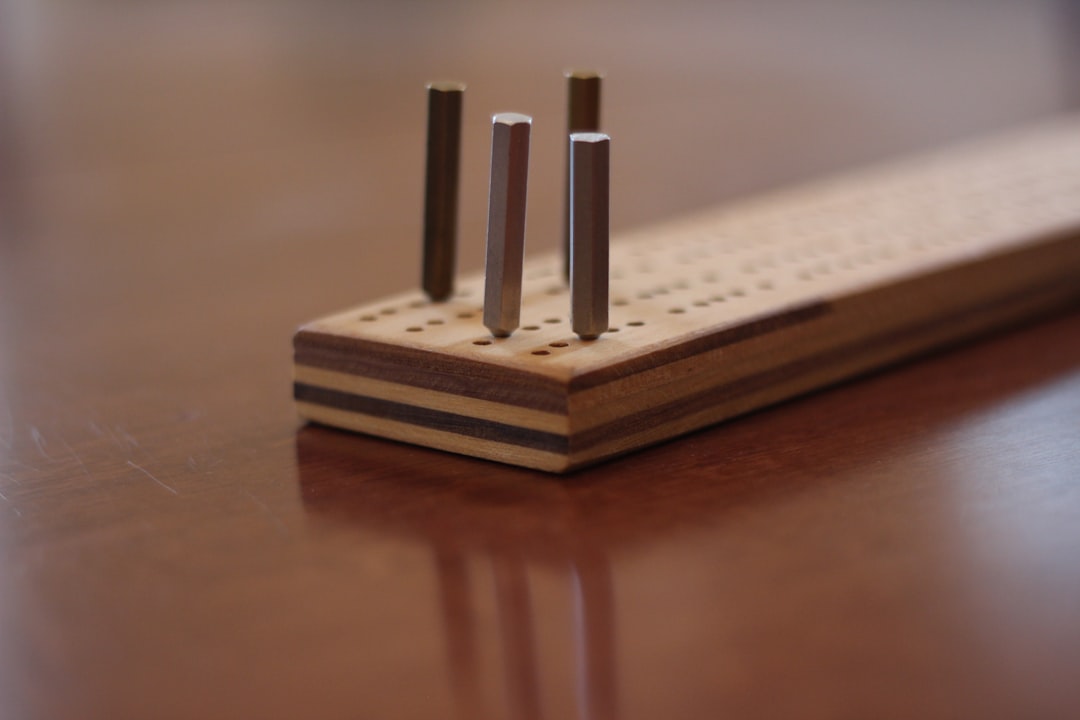
Adding more columns feels like adding more control. In practice it usually adds more decisions and more places for work to hide. Three columns are enough when the goal is progress, not perfect categorisation.

The productivity systems that survive ADHD are the ones that reduce decisions rather than multiply them. Capture, a short active list, and a review you can actually do on a bad day.

Most people run notes in one app and tasks in another, then wonder why the context is always missing when they need it. There is a simpler pattern that is rarely the default recommendation.
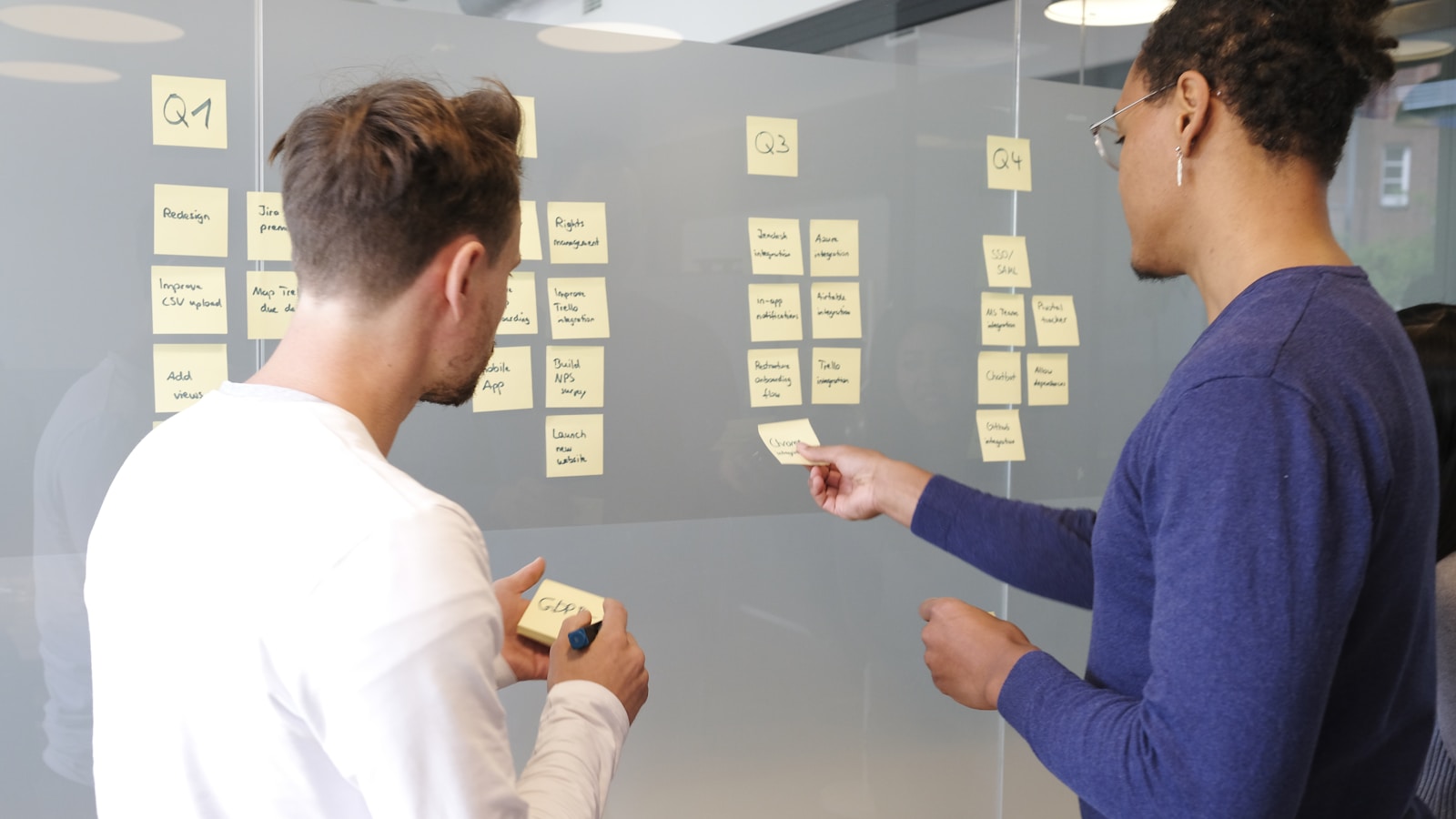
You do not need a complex board to run your own work. Here is a personal kanban system with three columns, and why fewer is better.

Elaborate task systems fail by Wednesday. Here is a simple way to organize tasks that survives a real week, built on capture, triage, and three stages.