Why you need a second brain
Filed under Guide
By Gerald · 10 June 2026

I used to trust my memory for everything. Client requests, article ideas, errands, book recommendations. By Wednesday I had already lost half of it. The rest lived as a low-level anxiety in the back of my mind, a constant feeling that I was forgetting something important.
Then I started using an external system to store what mattered. The anxiety went away. I stopped losing ideas. And I could finally think about my work instead of trying to remember it.
That is what a second brain is for.
A second brain is not about collecting more information. It is about forgetting safely.
What the term actually means
"Second brain" sounds like a product feature. It is really a practice. The idea is simple: your biological brain is excellent at thinking and terrible at reliable storage. So you build an external system that handles the storage, and you let your mind do what it does best.
Tiago Forte popularised the phrase with his book Building a Second Brain. The concept is older. Niklas Luhmann used an analog slip-box to write over 70 books. David Allen built Getting Things Done around the same insight: get commitments out of your head and into a trusted system.
The test is simple. If your external system is not making your future self faster or calmer, it is a hobby, not a tool. There is nothing wrong with a hobby. But be honest about which one you are building, because the habits that make a good hobby (endless tinkering, elaborate structure, constant reorganising) are exactly the habits that make a bad second brain.
Why memory alone fails
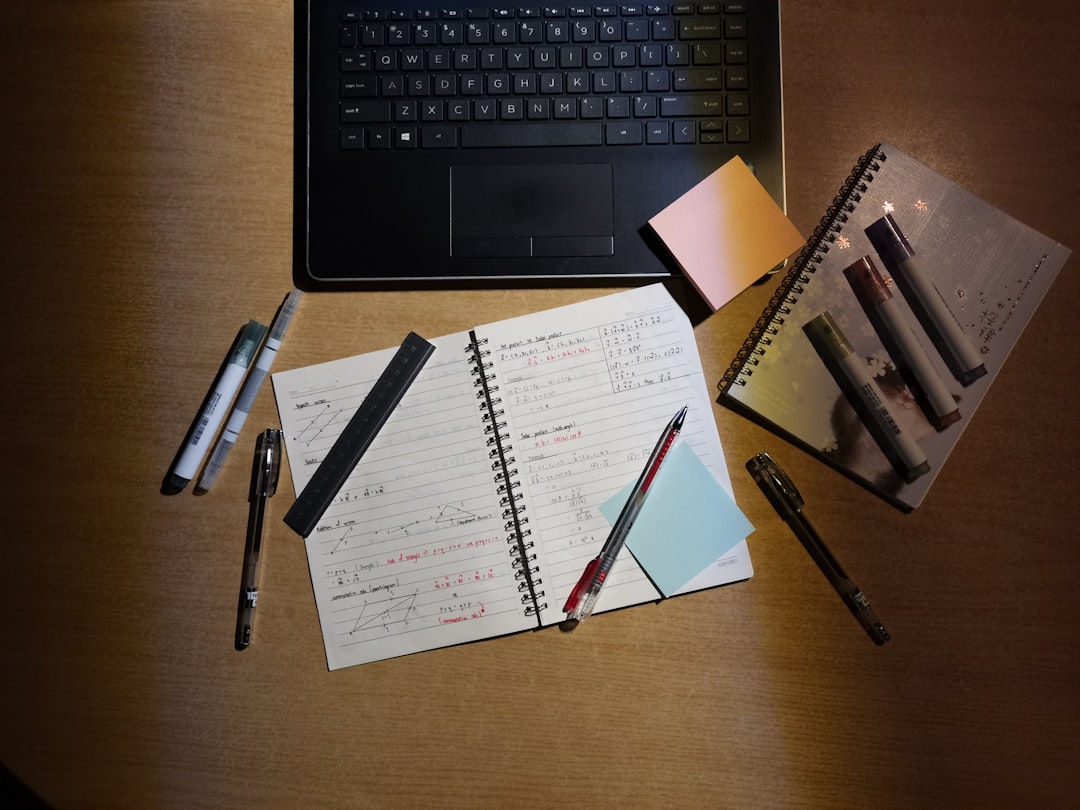
Your brain did not evolve to be a filing cabinet. It evolved to spot patterns, make connections, and solve problems in the moment. Asking it to also store every task, idea, and reference point is like asking a race car to carry groceries. It can do it, but it is not what the machine is for.
Here is what happens when you rely on memory alone.
You read something useful and tell yourself you will remember it. You do not. The insight disappears into the noise of the day.
You have a good idea in the shower. By the time you are dry, it is gone. The best thoughts arrive at the worst times, and memory has no save button.
You sit down to work and suddenly remember three things you were supposed to do yesterday. Those items were never in your system. They were just floating in your head, taking up space, waiting for the worst possible moment to surface.
You need a piece of information you know you saved somewhere. You cannot find it. You spend ten minutes searching, give up, and reconstruct it from scratch. The reconstruction is worse than the original, and you know it.
All of this is normal. It is also entirely fixable.
The systems that actually work
The best second brain is the boring one you actually keep. A simple notebook you maintain beats a magnificent system you abandon every spring and rebuild from scratch, feeling productive the whole time you are achieving nothing.
Here are the approaches that survive real life, ranked by how broadly useful they are.
1. Capture first, organise later
This is the foundation. Everything else depends on it. Have one frictionless place to dump a thought the instant you have it, with no decisions about where it goes. The sorting happens later, in a quiet minute.
If you improve only one thing, make capture effortless. Everything else is optional polish on top of this.
2. A simple notebook and tag system
Give each note a home, which is a notebook, and a few tags, which are the cross-cut that lets you find it across topics. Resist the urge to build an elaborate taxonomy. You are not cataloguing a national library. You are leaving breadcrumbs for yourself. Tags reward a little discipline more than any other part of the system, so it is worth setting a simple tag standard early.
3. Getting Things Done
David Allen's full workflow: capture, clarify, organise, reflect, engage. It is thorough and works across any tool. It is also more structure than many people need. Use it if your life genuinely contains that many moving parts. Skip it if a simple inbox and a weekly review are enough.
4. PARA
Tiago Forte's method: Projects, Areas, Resources, Archives. It is elegant and tool-agnostic. It works well if you already have a capture habit and you just need a sensible way to sort what you have collected.
5. Zettelkasten
Atomic, densely linked notes. Powerful for serious writers and researchers building a long-term body of work. For most people it is far more machinery than the job needs, and it is where second brains most often curdle into a hobby. Adopt it only if you have a real, ongoing writing practice that demands it.
The honest limitations
A second brain is not a magic fix. Without regular review, it becomes a junk drawer. Capture without review is just a more sophisticated way to forget things.
Some tools demand too much setup. Notion can swallow hours of template building before you write a single note. Obsidian's plugin ecosystem tempts endless customization. The tool can become the work.
Search quality matters. If you cannot find what you stored, the system fails. Consistent naming and a working search bar are more important than a beautiful folder structure.
There is a learning curve. Switching from memory to external capture feels unnatural for the first few weeks. Most people quit before the habit sticks. The ones who succeed are the ones who start simple and add complexity only when they actually miss it.
Who this is for
- Anyone who feels mentally overloaded by projects and obligations.
- Students and researchers who need to connect concepts over time.
- Freelancers and agency owners juggling multiple clients.
- Writers and creators who generate ideas they cannot act on immediately.
- Anyone who has ever thought "I will remember that" and then immediately forgot.
Who should skip it
- People with a genuinely simple workload that fits on a short paper list.
- Anyone already using a consistent system that works. If your current setup does not cause friction, do not switch.
- People looking for a tool to do the thinking for them. A second brain stores and retrieves. It does not generate insight.
Frequently asked questions
What is a second brain in simple terms? An external system, usually notes and a task list, that stores information so your biological brain does not have to.
Do I need special software? No. A pen and notebook work fine. Many people use Apple Notes for years before moving to anything else.
What is the best method for beginners? Start with capture. Write down every idea and task as it appears. Review the list weekly. Everything else is optional until that habit is solid.
How is a second brain different from a to-do list? A to-do list tracks actions. A second brain also stores reference material and notes you may need later. The two work best together.
How long does it take to see value? The habit takes two to four weeks to feel natural. The real value appears after three to six months of consistent use.
Can I use multiple apps? Yes. Many people use one app for capture and tasks, and another for long-form notes. Just keep the number low enough that you always know where to look.
Does it help with anxiety? Many people find that externalizing their mental load reduces background stress. Knowing that nothing important is left to memory creates a specific kind of calm.
Related reading
- How to organize your notes: a simple system that survives real life
- Your second brain is only as good as your tags
- Note-taking methods, ranked by how much they actually help
- PKM without the cult: simple personal knowledge management
- A capture inbox for thoughts, tasks, and ideas that you actually use
- How to stop switching between apps for notes, tasks, and quick ideas
- Own your notes in 2026: what data ownership actually means and why it matters
My verdict
Start with one capture tool. Your phone's default notes app is enough. Write down everything that feels important for one week. Review the list every Sunday. That weekly review is where a second brain actually becomes useful.
Once capture and review are habits, you can add notebooks, tags, and better tools. Until then, simplicity wins. The system only works if you use it.
Some people try to skip the tooling question entirely by using ChatGPT as a second brain instead of a dedicated system, and it holds up for a narrower slice of the job than most people expect.
Did you ever build a second brain that you abandoned? I am curious what made it stick, or not.