A daily note template you can copy (and actually keep using)
Filed under Notes & Knowledge
By Gerald · 6 June 2026

A daily note is one of the highest-return, lowest-effort habits there is. One note per day where the day's thinking lands: what you are doing, what came up, what you want to remember. Done consistently, it becomes a searchable record of your life and work that pays off for years. The problem is almost never the idea. It is that most daily-note templates are so elaborate you quit by day four.
So here is a simple template you can copy today, the reasoning behind each part, and the part nobody talks about, which is how to actually keep the habit once the novelty wears off.
The template
Keep it to four sections. That is enough to be genuinely useful and short enough to survive a bad day.
# {today's date}

## Focus
The one or two things that actually matter today.

## Notes
Anything that comes up: ideas, decisions, things people said, links.

## Tasks
Things to do that surfaced today. Move the real ones to wherever you track tasks.

## Tomorrow
A line or two so tomorrow-you starts with a running start.
That is the whole thing. Four headings. You can write one word under each on a busy day and a full paragraph on a slow one, and both versions count. The flexibility is the point: a template that demands a lot gets skipped on exactly the days you most need a record.
Why each section earns its place
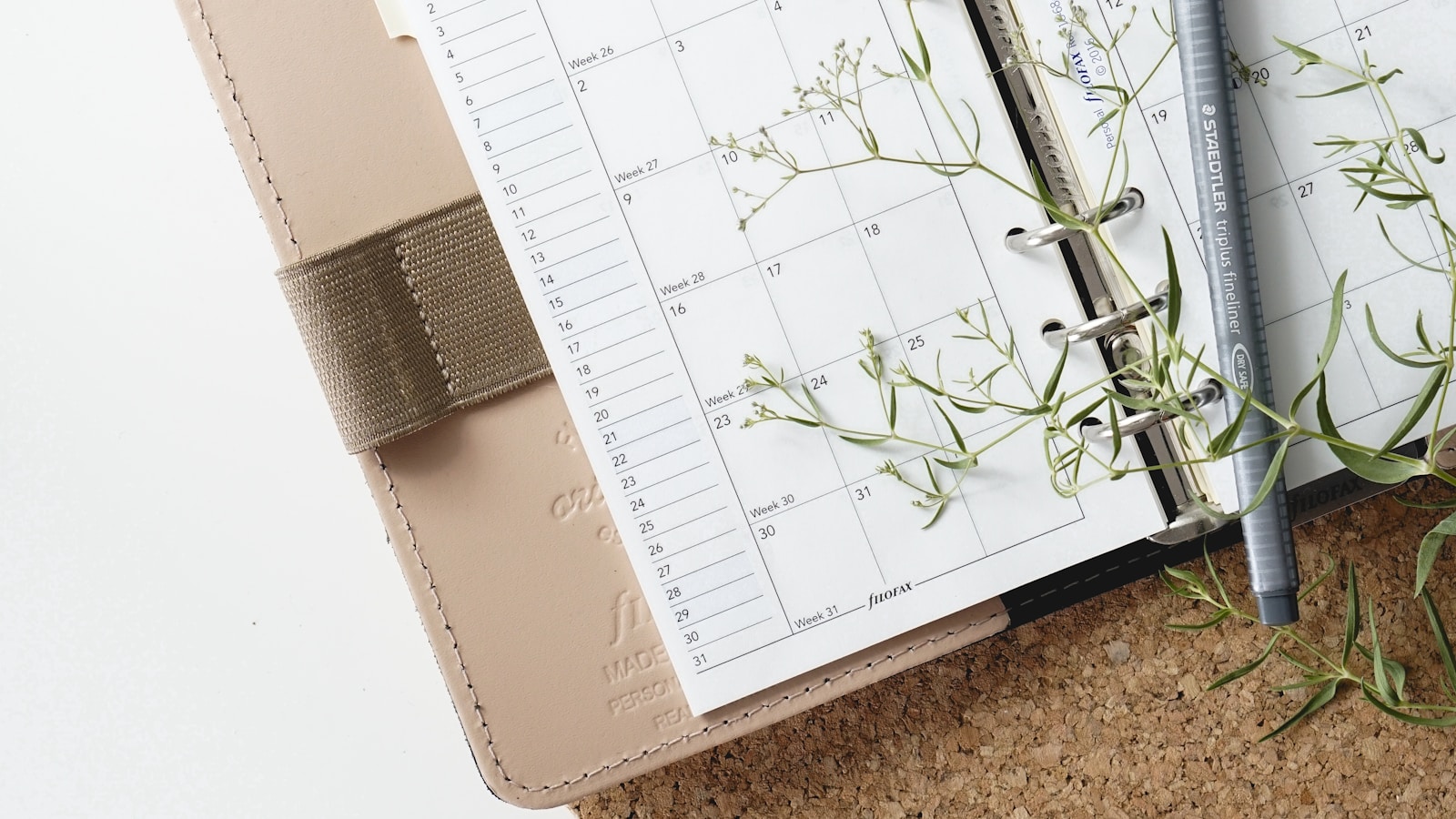
Each section is there for a specific reason, and understanding the reasons is what lets you adapt the template without breaking it.
Focus forces a decision about what matters before the day runs away with you. Even a single line here changes how the day goes, because naming the one or two things that matter is most of the battle against a day that dissolves into reactive busywork.
Notes is the catch-all, the reason the daily note works at all. Stray thoughts, decisions, things someone said in a meeting, a link you want to keep: they all have a home instead of scattering across apps and memory. This is where most of the long-term value accumulates, because months later this is the section you search.
Tasks keeps the day's to-dos from getting lost inside prose. The key move is not just listing them but moving the real ones to wherever you actually track tasks, so they get done instead of being reread tomorrow in a note you have already moved past. A daily note is a capture point for tasks, not their permanent home.
Tomorrow is the cheapest productivity trick going. Two lines handing off to your future self save the slow morning ramp-up where you try to remember where you were. Closing the day with a note to tomorrow-you is a small kindness that compounds.
The part that makes it stick
Templates do not fail because they are wrong. They fail because they are too much. So the habit-keeping advice matters more than the template itself:
- Make starting trivial. Have a fast way to open today's note, ideally one keystroke or one click. Every second of friction between you and a blank daily note is a reason to skip it.
- Allow bad entries. A day with one word under each heading still counts. Streaks die on the day you decide a short entry is not worth making, so make the short entry. Consistency beats completeness.
- Do not over-design. Resist the urge to add a mood tracker, a habit grid, a gratitude section, a weather log, and ten more fields. Every addition is one more reason to skip the whole thing on a busy day. The four sections above are deliberately spare.
- Let yesterday go. A daily note is not a project you must finish. If you missed a few days, just start today. The habit is resilient as long as you do not treat a gap as failure and quit entirely.
The boring template you keep beats the beautiful one you abandon. That is the whole secret, and it applies to almost every productivity habit, not just this one.
Variations that do not break it
Once the four-section template is a habit, you can adapt it to your life without bloating it. A student might rename Focus to "Today's classes" and use Notes for lecture capture. A manager might use Notes mostly for one-on-one and meeting notes. Someone using it as a journal might add a single "How today felt" line at the bottom. The key is to change the labels and keep the count low. The moment the template grows past five or six sections, you are back in the territory that makes people quit. Adapt the wording freely; guard the brevity fiercely.
How to use it as a searchable record
The quiet superpower of daily notes is search. Because everything funnels through a dated note, you can later search for a person's name, a project, or a decision and find the day it came up, with the context around it. To make this work, write the words you would search for, especially names and project terms, and tag your daily notes consistently, for example with a single daily tag so you can pull the whole run. A year of daily notes becomes a genuinely useful archive of what happened and what you were thinking, and it costs you only the few minutes a day you were already spending.
Common reasons people quit daily notes
If you have tried daily notes before and stopped, the cause is almost always one of a few predictable things, and each has a fix.
The first is that the template was too big. A daily note with ten sections, trackers, and prompts is a chore, and chores get skipped. The fix is the spare four-section template above, which you can complete in thirty seconds on a bad day.
The second is treating a missed day as failure. People keep a streak for two weeks, miss a day when life gets busy, feel they have broken it, and quit entirely. The fix is to drop the streak mindset. A daily note is not a chain you must not break; it is a habit you return to. Miss three days, then write today's. Nothing is broken.
The third is friction at the start. If opening today's note takes several clicks or a decision about where to put it, that small resistance is enough to skip it when you are tired. The fix is a one-step way to open or create today's note, so there is nothing between you and a blank page.
The fourth is that the note went nowhere. If your daily notes pile up unread and unsearched, they start to feel pointless. The fix is to use them: search them when you need to remember when something happened, and move real tasks out of them into wherever you track work. A daily note that feeds the rest of your system stops feeling like a diary you abandon and starts feeling like infrastructure you rely on. Knowing these four failure modes in advance is most of what it takes to avoid them.
Frequently asked questions
What should a daily note include? A focus for the day, a catch-all notes section, the tasks that surfaced, and a short handoff to tomorrow. Four sections is enough; more tends to make the habit collapse.
How do I keep a daily note habit? Make starting trivial, allow one-word entries on bad days, do not over-design the template, and treat gaps as nothing more than a reason to start again today.
Daily note or journal, what is the difference? A journal leans reflective and personal; a daily note leans practical, mixing focus, notes, and tasks. The template here works for both, and you can add a single reflective line if you want the journal flavor.
Where should the tasks from my daily note go? Into wherever you actually track tasks, not left buried in the note. The daily note is a capture point; a real task list or board is where things get done. See how to organize your tasks.
Related reading
- How to organize your notes: a simple system that survives real life
- How to organize tasks without building a system you hate
- How to take notes on a computer (that you can find later)
The daily note you keep on bad days is the one that pays off.
If you want somewhere to keep daily notes that is quick to open and easy to search, with tasks you can hand off to a simple board, that is the kind of thing Flow is built for, and it is free to try. The template works in any app, so copy it wherever you like.
Have you tried daily notes and dropped them? I am curious what broke the habit.